TL;DR
Clothing choices for headshots come down to fit,comfort, confidence, and simplicity. Solid colors tend to work better than patterns because they keep focus on your face. Navy, charcoal, black, and gray are reliable options for most people, though your individual coloring and professional context matter more than any single color choice. Men generally find that adding a blazer or sweater over a button-down shirt creates a more polished look than wearing the shirt alone. Women often have good results with V-neck or scoop neck tops paired with a blazer. Proper fit matters more than the specific garment. Clothing that’s too tight or too loose creates problems. Bring several options to your session because what looks good at home might photograph differently in the studio. Avoid wrinkled clothing, busy patterns, logos, and excessive jewelry. Shaving the night before your session will help to avoid razor burn. Most importantly, wear something you feel confident in because that confidence shows in your expression.
Why Your Wardrobe Matters for Headshots
Your headshot represents you professionally across every platform where you need to establish credibility. Potential clients viewing your company website, connections scrolling LinkedIn, event organizers reviewing speaker bios, or media contacts looking for interview subjects all form opinions about your competence and professionalism based on your headshot. Dressing appropriately matters because the clothing you choose for your headshot session directly affects how you photograph and how others perceive you.
These images work for you every day, whether on LinkedIn, business cards, or marketing materials, creating impressions with people who will never meet you in person. Your wardrobe becomes part of your visual brand. The right choices create headshots that look polished and contemporary. Poor choices create distractions that pull attention away from your face and expression.
I’ve photographed headshots for more than seventeen years, working with everyone from corporate executives to creative professionals. I’ve seen what works and what creates problems. This guide shares that experience to help you walk into your session prepared and confident. You won’t need to guess about what to bring. You’ll understand the principles that make certain clothing photograph well and why other choices create distractions. The collaborative process during your session builds on these foundations to select what actually works best for your specific appearance and goals.
Universal Principles That Apply to Everyone
Solid Colors Photograph Better Than Patterns
Solid colors work best for headshots because they keep attention focused on your face rather than your clothing. Blacks and grays always work well, but don’t be afraid to bring a color palette that you prefer. When you look at what colors work best for headshots, solid versions will always photograph cleaner than patterned versions. Patterns create visual noise that competes with your facial expression for attention. Small checks, pinstripes, and intricate prints break up the clean lines of your headshot and create busy areas that draw the eye away from your expression.
Fit Is Everything
Your clothing should fit properly. Clothes that fit with ease, not too tight or too big, photograph better than expensive garments in the wrong size. A jacket that’s too small or two sizes too large creates unflattering proportions. The camera won’t add 10 pounds, but clothing that doesn’t fit definitely will. Proper fit matters more than formality level. A properly fitted business casual outfit will always outperform an ill-fitting suit. The shoulder seams should sit at the edge of your shoulder, not drooping down your arm or pulling across your back. Sleeves should show about a quarter to half inch of shirt cuff. If you struggle with fit, professional alterations create the polished look that photographs well.
Bring Multiple Options
Bring a variety of clothing options. At least 3-5 options are optimal. Having options beyond only one outfit in case a different aesthetic is warranted. If it isn’t in the studio, it’s difficult to make photos of you wearing it. So, if you find yourself questioning whether or not something will work just bring it along.
I also suggest having some fun with this. If you feel your wardrobe is missing something, then go shopping. Leave the tags on and you can return the items you don’t want to keep after the shoot. Also, don’t hesitate to bring some non-seasonal clothing with you. A t-shirt or top in the winter and a sweater in the summer, for example, to give you a wide range of images which will work in different times of the year.
Having multiple options gives you flexibility during the session. What you think will work best might not photograph as well as something else once you see it under studio lighting. The collaborative selection process during your session ensures you choose what actually works rather than guessing beforehand.
Only Bring What You Love
Please ensure that you absolutely love the clothing. If you don’t love it, I don’t want you to bring it to the studio. You won’t photograph well in something you are uncomfortable wearing. Your confidence shows in your images. If you feel self-conscious about what you’re wearing, that discomfort shows in your face and body language. Choose colors and styles where you feel confident, and your comfort will show in your expression and presence.
Wardrobe Guidance for Men
The Foundation: Shirts
For images that reflect a highly polished executive look, bring a suit and appropriate accessories. Button-down shirts without a blazer provide an unfinished, unpolished aesthetic. Since layers are always a great way to go, please ensure that you bring the appropriate clothing for your headshot session.
A button-down shirt by itself often looks incomplete in headshots. The single layer creates a casual appearance that may not serve your professional goals. Button-downs work beautifully as a foundation when paired with a blazer, sweater, or vest. That additional layer creates visual depth and a more polished appearance. If you want a less formal look, a V-neck or crew neck shirt in a solid color can work well, particularly for creative professionals or entrepreneurs who want to appear approachable rather than corporate.
Collar Spread and Tie Selection
Please ensure that the tie you choose is not overly busy, and matches relatively well with your suit. Please leave the paisley patterned tie at home. When you do wear a tie, the relationship between your collar and tie knot matters more than most people realize.
Wide spread collars require bigger tie knots. A half Windsor knot or full Windsor knot goes best with wide spread collar shirts, while a four in hand knot is best paired with button-down or point collar shirts.
The Windsor knot, also called a double Windsor knot, produces a wide, symmetrical and triangular knot, making it an ideal match for dress shirts with spread collars or cutaway collars. A full Windsor knot is best suited for formal events, such as weddings, job interviews and business presentations, and projects confidence and power. The symmetry and refinement of a double Windsor tie knot works well with spread collars. The visual balance creates a polished appearance that photographs well.
.oxIXGH50_2jLs8D.webp)
Other tie knots like the four-in-hand or half Windsor have their place. The four-in-hand creates a smaller, asymmetrical knot that works with narrower collars. The half Windsor falls between the four-in-hand and full Windsor in size. Choose your knot based on your collar spread to create visual harmony between your shirt and tie. The knot should fill the collar gap appropriately. A knot that’s too small leaves empty space and looks out of proportion. A knot that’s too large overwhelms the collar and draws attention away from your face.
If you really want to get creative and show some personality, there are some wild tie knots that really add interest to a clothing ensemble and to a photo. For example, the Eldredge tie knot and the Trinity tie knot are not exactly common, and they layer the tie fabric across itself in creative ways, making the tie knot a point of focus.
You can also omit the tie altogether. A button-down shirt with a blazer photographs well without one. Going tieless has become more widely accepted in corporate environments, particularly at contemporary firms.
Layering: Blazers, Jackets, and Sweaters
Layers create polish. A blazer over a button-down shirt transforms the look from casual to professional. A sweater over a collared shirt strikes a balance between approachable and put-together. Even a vest can add visual interest and professionalism to your headshot.
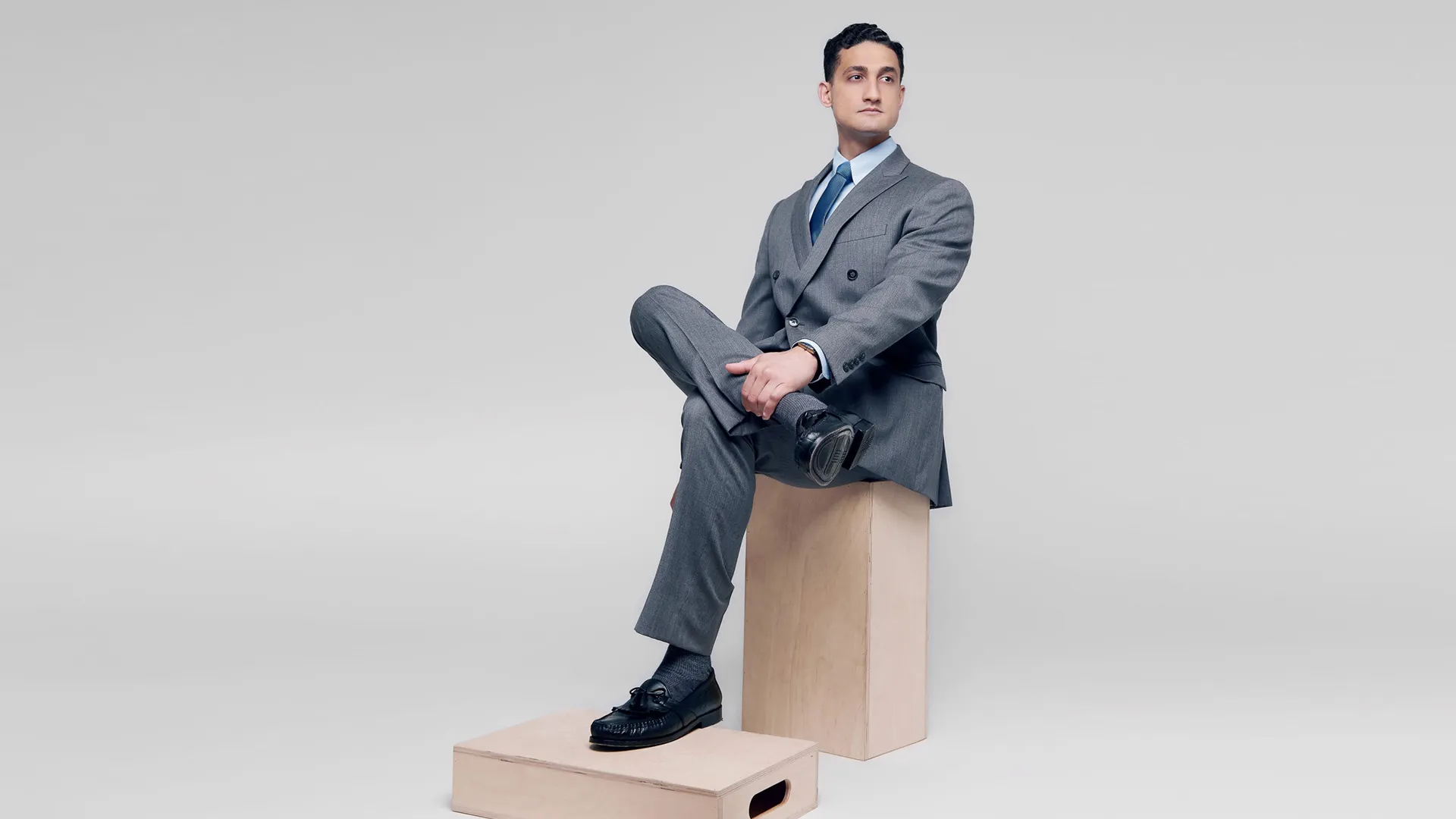
Navy and charcoal are classic hues associated with professionalism, stability, and authority. Wearing navy or charcoal suits establishes a sense of trustworthiness and competence. Navy offers superior versatility. Unlike charcoal which pairs best with black shoes, navy works beautifully with a wider range of leather tones.
Black suits are not appropriate for business settings and should only be worn for formal social events. For business, choose navy or charcoal gray suits instead. Black reads as formal evening wear rather than business professional in most contexts.
Fit Specifics for Men
Please ensure that your jacket and shirt collars aren’t pulled away from your neck. This is an indication that your clothing is too large for you. Of course, we don’t want the collars too tight either. The shoulder seams of your jacket should sit at the edge of your shoulder, not drooping down your arm or pulling across your back. Sleeves should show about a quarter to half inch of shirt cuff beneath your jacket sleeve.
If a shirt collar is too large, it’s visible in the photos. When wearing a button-down or dress shirt, only two fingers should fit between the collar and your neck. When the gap exceeds that, I need to fill the space to ensure the shirt looks appropriately fitted and the images look good. My preferred technique is to roll a paper towel up and tuck it behind the neck. Depending on how I photograph you, the paper towel stays hidden while tightening the collar and making things fit. Having an easy solution makes sessions more efficient and positions me as a problem solver. When clothing looks and fits well, you feel more confident, polished and refined. That confidence projects through your facial expressions and posture.
Blazers and suit jackets present similar issues. They can be too large and boxy for your frame, making you seem larger than you actually are. Or you might be wearing something from years ago that no longer fits and is now too small. I do my best to solve these issues in real time during the session. When that’s not possible, I rely on post production. But it’s always easier, more efficient and better for everyone when clothing fits well from the start.
If you struggle with fit or wardrobe selection, working with a professional stylist can help. Many men’s stylists specialize in creating custom designed and fitted clothing that photographs well. Professional styling services exist in most major cities and can transform how you present yourself in headshots.
Shaving and Grooming Expectations
Shave the night before your session to avoid razor burn showing up in the images. If you should feel the urge, bring your shaving kit. You can always take a few minutes to shave off the scruff and move forward with additional images.
If you prefer a clean shaven look, arrive that way or bring your shaving kit. While retouching can assist in taking care of stray or misshapen hairs, removing stubble in post-production is prohibitive. Professional retouching does not include creating a clean-shaven appearance from visible stubble.
If you prefer facial hair, that’s perfectly fine. Be consistent with your look. Your headshot should represent how you actually appear in professional settings.
Wardrobe Guidance for Women
Necklines That Work
A blouse and blazer is a great option for a more professional look. Sometimes, a simple V-neck or scooped neck blouse works just as well. These necklines create clean lines that photograph well and draw attention to your face rather than your clothing. V-necks and scoop necks tend to be more flattering in headshots than crew necks or turtlenecks because they create visual space and keep the frame from feeling too crowded.
The key is finding a neckline that feels professional for your industry while also photographing cleanly. Too much exposure reads as unprofessional. Too little can make the image feel closed off. A moderate V-neck or scoop neck usually strikes the right balance.
Blouses and Tops
Solid colors work best. Blacks and grays always photograph well, but don’t be afraid to bring colors that you prefer. A blouse in a solid color keeps attention on your face and expression. The fabric matters less than the fit and color. Choose materials that don’t wrinkle easily and that photograph without creating unflattering textures or shine.
Bring multiple options to your session. If you need help selecting wardrobe in advance, many photographers offer style consultations before your session day.
Blazers and Layers
A blazer adds polish and professionalism to almost any outfit. A tailored blazer over a simple blouse creates a refined look that works across most professional contexts. The blazer creates structure and visual interest without adding distraction. Even for creative professionals who want to avoid looking too corporate, a blazer in an interesting color or texture can add personality while maintaining professionalism.
Layers give you options during the session. You can shoot with the blazer, then remove it for a softer, more approachable look. Having that versatility means you leave with headshots that serve different purposes.
.BFfw8y5u_awXYq.webp)
Completing the Look: Bottoms and Footwear
Why Bottoms and Shoes Still Matter
While most headshots are cropped from mid-chest up, you should still prepare your wardrobe from head to toe. While headshot sessions don’t typically include wider crops, some personal branding sessions or business portrait sessions include three quarter length shots or standing poses where your pants or skirts, and shoes will be visible in the frame. Even with a tight head and shoulders crop, which is typical and normal for headshots, wearing the full outfit, including the right shoes, actually changes your posture and how you carry yourself. You will feel more polished, refined, confident, and professional when you are wearing a complete ensemble. That confidence translates directly into incredible facial expressions on camera.
Choosing the Right Pair
For pants and skirts, stick to the same principles of color and fit used for your tops. Darker, neutral tones typically work best to keep the viewer’s eye focused on your face. If your session includes full length photos, ensure your shoes are clean, polished, and match your outfit. Wearing trendy footwear might date the photos. But, your pictures should be updated every few years, which is about as long as fashion trends tend to stick around. Sticking to classic styles and colors are always a safe option and they provide a solid foundation for your professional look. Even if your feet never make it into the final crop, the psychological benefit of being fully dressed for the part is worth the extra effort.
Accessories for Everyone
Jewelry
Avoid dangling earrings and necklaces. Small studs work best. While jewelry can finish an outfit or add personality, less is more in headshot photography. Your audience should focus on your expression and visual cues, not accessories. A great expression creates more impact than any jewelry.
Jewelry should not be distracting. Keep it simple and understated for professional headshots. It’s all about enhancing your natural beauty and professionalism, not distracting from it. Common professional pieces include stud earrings, simple necklaces, and classic watches. Delicate chains, simple stud earrings, or a classic watch adds a touch of refinement to your look.
For men, a watch is often the only jewelry visible in a headshot. A simple, classic watch reads as professional. Avoid anything overly flashy or sporty unless that aligns specifically with your professional brand. Cufflinks can add a subtle touch of personality to formal looks when you’re wearing a suit. Tie bars keep your tie in place and add a refined detail, though they’re optional.
Glasses
If you wear glasses regularly in professional settings, wear them for your headshot. Your headshot should represent how people actually see you. Removing glasses for your headshot when you wear them every day creates a disconnect between your image and reality.
If you only wear glasses occasionally, you have the option to shoot with and without them. This gives you versatility depending on where you use the headshot. Just make sure the frames are clean and positioned properly so they don’t create glare or shadows across your eyes.
Common Wardrobe Mistakes
Wrinkled Clothing
Please ensure that the clothing has been cleaned and pressed. Wrinkled clothes can harm a professional image and make clothing look unkempt. A wrinkled shirt might suggest a lack of attention to detail, which can reflect poorly on both the individual and the organization.
Clothing should always be clean and well-kept, with no torn, dirty, or excessively wrinkled items. A smart ironed shirt looks intentional, while a wrinkled one says you got dressed in a rush. Wrinkles are harder to fix in post-processing than most people realize. The time required to retouch out wrinkles is prohibitive and often impossible to do convincingly. Start with pressed, clean clothing and you’ll avoid this problem entirely.
Overly Trendy Choices
Your headshot needs to stay current for one to two years at minimum. Highly trendy clothing dates your image quickly. What feels current today might look obviously dated in twelve months. Classic, timeless pieces serve you better than the latest fashion trends. A well-fitted navy blazer will look appropriate for years. A trendy pattern or cut might look obviously outdated within a season.
This doesn’t mean your headshot should look boring or generic. You can absolutely incorporate current styles in subtle ways. The key is choosing elements that won’t scream a specific year or trend cycle when someone looks at your headshot eighteen months from now.
Forgetting Your Industry
Industry-specific dress codes matter. Full suits are required for client-facing meetings in finance and law, conveying a conservative, polished, and authoritative vibe. Tech companies maintain professional appearance without being corporate, with nobody wearing full suits unless meeting with investors. Creative fields emphasize expressing creativity while reading the room.
Think about the expectations in your specific field. A corporate attorney should probably wear a suit. A graphic designer has more flexibility to show personality through color and style. An entrepreneur might want to balance approachability with authority. Your headshot should align with how your peers and clients expect you to appear in your specific professional context.
The White Clothing Myth
You may have heard that you can’t wear white for headshots. This is outdated advice from photographers who don’t know how to light their subjects independently from their background. A good headshot photographer can handle white clothing. The issue is that inexperienced photographers or less experienced photographers have difficulty with this lighting technique. If you’re working with a professional who specializes in headshots, white is absolutely an option.
What NOT to Wear
Patterns and Logos
Solid colors photograph better than patterns. Patterns break up the clean lines of your headshot and create busy areas that draw the eye away from your expression. Fine patterns like pinstripes, small checks, or houndstooth can also create a moiré effect, a shimmering or wavy distortion on digital screens. Logos are particularly problematic because they introduce branding that competes with your personal brand. Your headshot should represent you, not advertise a clothing company.
If you strongly prefer pattern or have a signature style that includes pattern, keep it minimal and low-contrast. A subtle texture in the fabric can add visual interest without creating distraction. But bold patterns, logos, or busy prints rarely work well in headshots.
Clothing That Doesn’t Fit Your Current Size
Photograph who you are today. Don’t bring clothing that you hope to fit into soon or that used to fit before you gained or lost weight. Your headshot should represent your current appearance. Clothing that doesn’t suit or flatter your body right now will look wrong in the images, even if you are working towards wearing it eventually.
Industry-Specific Considerations
Corporate and Executive Professionals
Full suits are required for client-facing meetings in finance and law, conveying a conservative, polished, and authoritative vibe. If you work in corporate environments, traditional business professional attire is usually the safest choice. Navy or charcoal suits, white or light blue shirts, conservative ties for men. Blazers and professional blouses for women. This is the expected uniform in many industries, and your headshot should reflect those expectations.
Creative Professionals
Creative fields emphasize expressing creativity while reading the room. If you work in design, marketing, or other creative industries, you have more flexibility to show personality through your wardrobe choices. You can incorporate color, interesting textures, or less traditional styles while still maintaining professionalism. The key is balancing personality with credibility. Your headshot can show that you’re creative without looking unprofessional.
Entrepreneurs and Business Owners
Entrepreneurs often need to balance approachability with authority. You want to appear successful and competent, but not so formal that you seem unapproachable. Business casual often works well for entrepreneurs. A blazer without a tie for men. A blouse and blazer for women. This creates polish without feeling overly corporate.
The Shopping Strategy
When to Buy New
If you feel your wardrobe is missing something, go shopping. Your headshot is an investment in your professional brand. Spending money on one or two pieces that photograph well makes sense when those images will represent you across multiple platforms for the next year or two. Focus on classic, fitted pieces that you’ll wear regularly beyond just your headshot session.
The Return Strategy
We’ll leave the tags on and you can return the items you don’t want to keep after the shoot. This strategy lets you bring options without committing to purchases. Buy several pieces in different colors or styles, shoot with them, then return what doesn’t work. You only keep what actually photographs well and what you genuinely want to wear. Most retailers accept returns on unworn items with tags attached, making this a practical approach to ensuring you have great options without overspending.
Working with a Stylist
Professional styling help can make sense if you struggle with wardrobe choices or want expert guidance. Professional stylists specialize in custom designed and fitted clothing. They typically require some lead time to assess your needs and prepare options. Image consultants provide similar services for both men and women, helping you build a wardrobe that works for your body type, industry, and professional goals.
Preparing for Your Session
Final Checks Before You Arrive
Pack everything the night before your session. Check that all clothing is cleaned and pressed. Make sure you have all the accessories you might need. Bring that hair band in case you decide to put your hair up for a few images. Pack your options in a garment bag if possible to avoid wrinkling during transport.
What to Actually Wear to the Studio
With headshots, pants and shoes aren’t important. Just wear something comfortable. You’ll be changing into your headshot clothing when you arrive, and your lower half won’t appear in the images. Comfortable pants and shoes make sense because they won’t show in your headshots. Focus your energy on the tops and accessories that will actually appear in your images.
Arriving Ready
Arrive with your clothing pressed and ready. Be prepared to take direction. Your photographer will help you select from the options you brought and guide you through the collaborative process of choosing what works best for your skin tone, professional goals, and the look you want to achieve. This collaborative selection process ensures your final headshots represent you authentically and professionally.
Understanding what makes a professional headshot helps you appreciate why these wardrobe principles matter. For more guidance on everything you need to prepare beyond wardrobe, read about how to prepare for your professional headshot session.
Your headshot represents your professional brand. The time you invest in preparing your wardrobe pays off in images that create the right impression and serve you well across all the contexts where your headshot appears. Bring your best options, trust the collaborative process, and you’ll leave with headshots you’re genuinely excited to use.
Solid colors work best for headshots. Navy, charcoal, black, and gray are reliable options for most people, though your individual coloring and professional context matter more than any single color choice. For detailed guidance on selecting colors that complement your skin tone, see our headshot color guide. Avoid busy patterns and prints that can distract from your face and expression.
It depends on your industry. Full suits are required for client-facing roles in finance and law. Wearing a suit for business headshots establishes trustworthiness and competence while conveying a high status, competent, polished, and authoritative vibe. If you work in corporate environments, traditional business professional attire is usually the safest choice. Your headshot should reflect the expected professional dress in your specific field.
Yes, you can wear white for headshots. The myth that you can't wear white comes from photographers who don't know how to light independently from their background. The issue is that less experienced photographers tend to have issues balancing exposure for the background, your skin tone, and your white clothing. A good headshot photographer can handle white clothing without issue. If you're working with a professional who specializes in headshots, white is absolutely an option.
Bring at least 3-5 outfit options. What you think will work best might not photograph as well as something else, or you might identify a combination that works better for your purposes. Having multiple options gives you flexibility during the session. The collaborative selection process ensures you choose what actually works rather than guessing beforehand.
Avoid busy patterns, logos, and wrinkled clothing. Patterns create visual noise that competes with your facial expression. Logos introduce branding that competes with your personal brand. Dangling jewelry, overly trendy clothing, and anything that doesn't fit your current size should also be avoided. Your headshot should represent you, not your clothing or accessories. The goal is to limit and/or eliminate distractions. The most important element of your headshot is you, your face, your facial expression, and your personality. Excessive jewelry, heavy makeup, and overly busy clothing all serve to distract the viewer from the most interesting and important element of your headshot: you!
Sources: